
SMART-PEDs
(Systemic Multi-scale Approaches for Rapid Transition to Positive Energy Districts)
The SMART-PEDs project aims to overcome the regulatory, techno-economic, and socio-economic barriers hindering equitable Positive Energy District (PED) deployment. By integrating technical innovation with social justice, we are accelerating Europe’s transition to climate-neutral cities by 2050.
About the Project
Empowering Municipalities for an Equitable Energy Transition
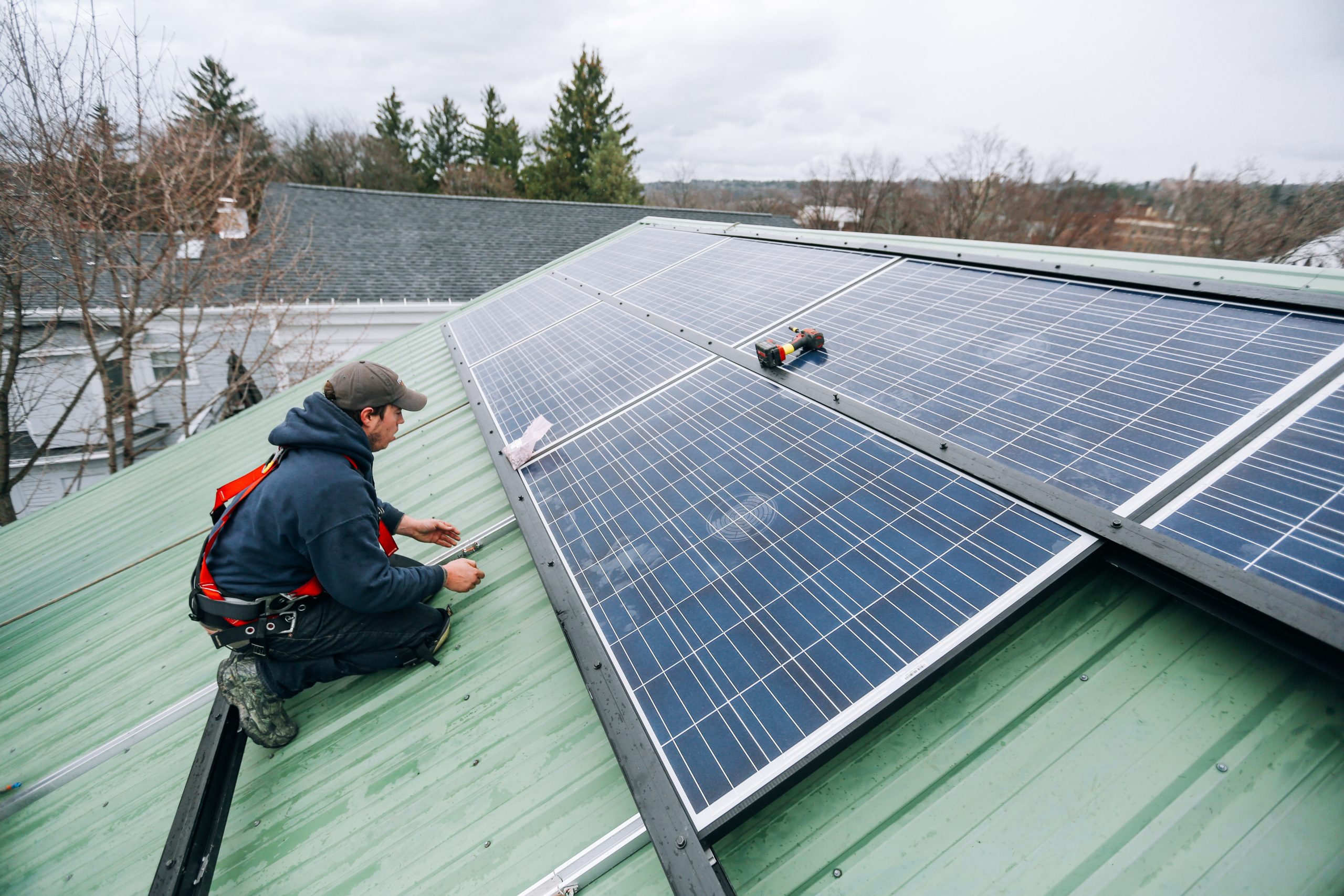
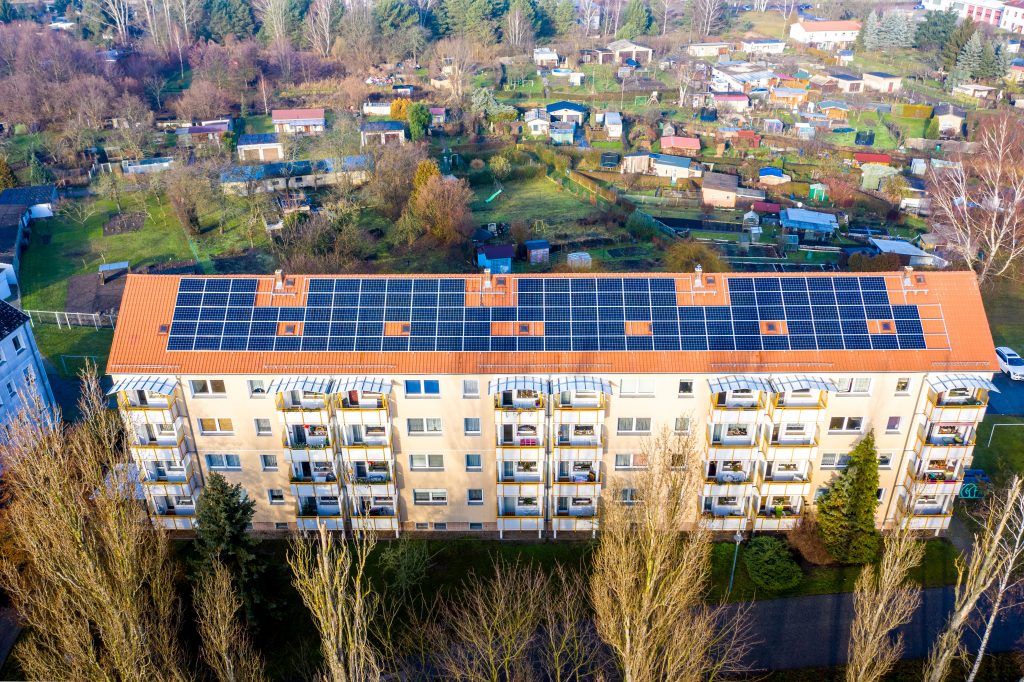
Fragmented urban energy planning often obstructs the deployment of Positive Energy Districts (PEDs) and delays the climate-neutral transition. SMART-PEDs is designed to empower municipalities, businesses, and SMEs with a holistic approach to strategically integrate PEDs across urban environments.

Our core objectives include:
- Integrated Frameworks: Developing comprehensive policy, business, and impact frameworks that evaluate techno-economic feasibility alongside a Social LCA to uphold energy justice and “Do No Significant Harm” principles.
- Interactive Decision-Support Toolbox: Building an open-source suite of tools featuring scenario simulation, economic/social impact assessments, and actionable policy guidance. This toolbox will model energy dynamics and optimize sector coupling, enabling evidence-based decision-making for urban planners.
Through transdisciplinary collaboration, SMART-PEDs ensures that the transition towards sustainable, positive energy cities prioritizes both innovation and social equity.
Consortium
The SMART-PEDs consortium brings together leading academic institutions, research organizations, municipalities, and industry experts across Europe.
Project Coordinator and Partners:










Living Labs
Validation in Real-World Contexts: Our integrated frameworks and tools will be tested and refined through co-creation in four diverse Living Labs across Europe:
🇨🇭 Winterthur (Switzerland)
Testing and validating the toolbox within specific Swiss regulatory contexts, focusing on net-zero municipal governance models and integrating diverse residential and industrial pilot sites. (More details coming soon)
🇩🇰 DTU Campus / Lyngby-Taarbæk (Denmark)
Providing a dynamic testbed using real-time data, advanced smart grids, and university-led innovation to validate PED implementation strategies and sector coupling. (More details coming soon)
🇸🇪 Lund (Sweden)
Leveraging extensive stakeholder involvement and a new energy community based on EnergyNet to align the decision-support tools with practical municipal planning needs. (More details coming soon)
🇪🇸 Fuengirola (Spain)
Addressing energy poverty in a high-density, warm-climate urban setting by optimizing renewable energy integration and testing equitable PED solutions for vulnerable neighborhoods. (More details coming soon)
Contact
Yang Liu
Project Coordinator, SMART-PEDs
Linköping University (LiU), Sweden
Email: yang.liu@liu.se